
Digital India Mission 2.0: What It Means for Students and Professionals in 2025

Introduction
When the Government of India launched the Digital India Mission in 2015, the goal was to bring every citizen online and make government services accessible digitally. Ten years later, the initiative has entered a new phase Digital India Mission 2.0.
This upgraded mission focuses not only on connectivity but also on digital skills, job creation, e-governance, and empowering India’s youth. For students and working professionals, this means new opportunities, but also new challenges.
What is Digital India Mission 2.0?
Digital India Mission 2.0 is the government’s renewed effort to:
- Expand high-speed internet connectivity to all villages.
- Promote AI, blockchain, and cloud adoption in public services.
- Support startups and small businesses through digital platforms.
- Provide digital literacy training to students and workers.
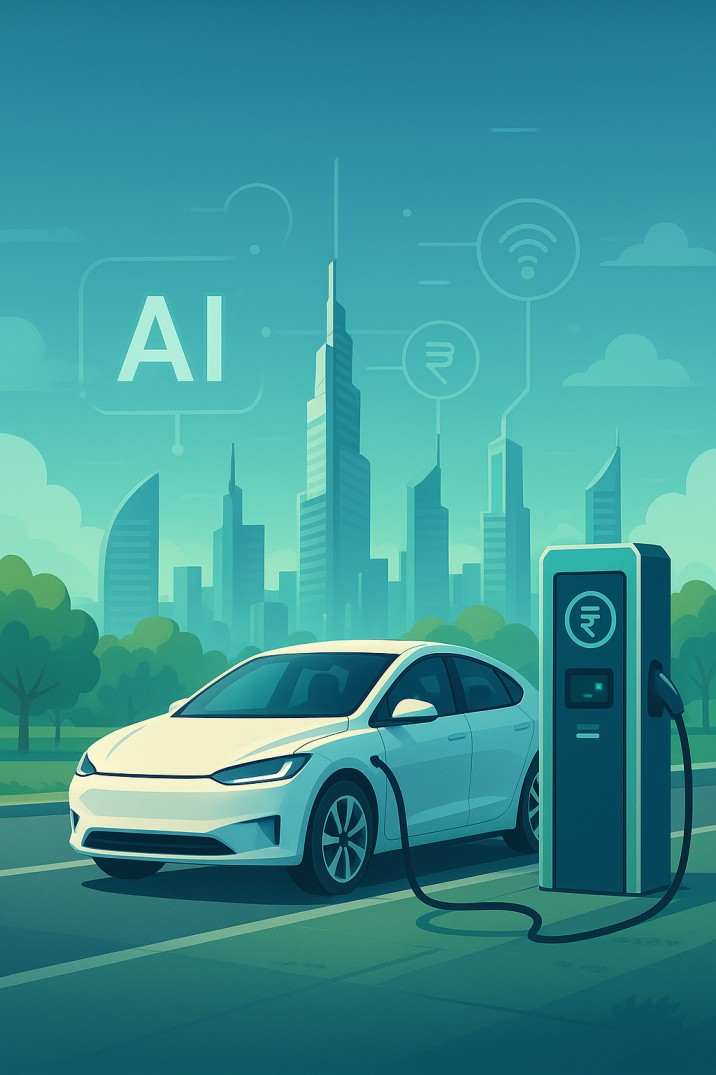
- Create a paperless, cashless economy with UPI and e-governance.
Why Digital India 2.0 Matters in 2025
Unlike the first phase, which focused on access, this phase emphasizes skills and empowerment. It is not just about being online, but about being digitally capable.
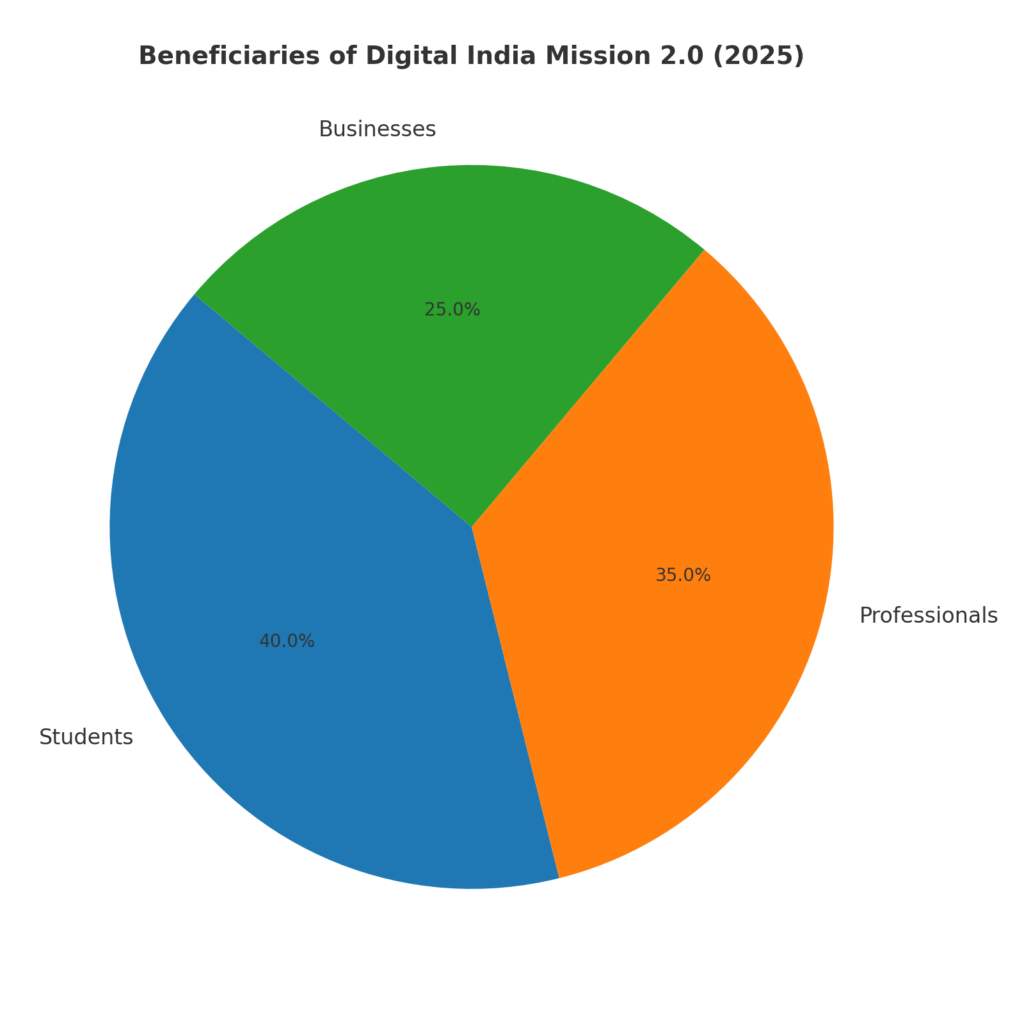
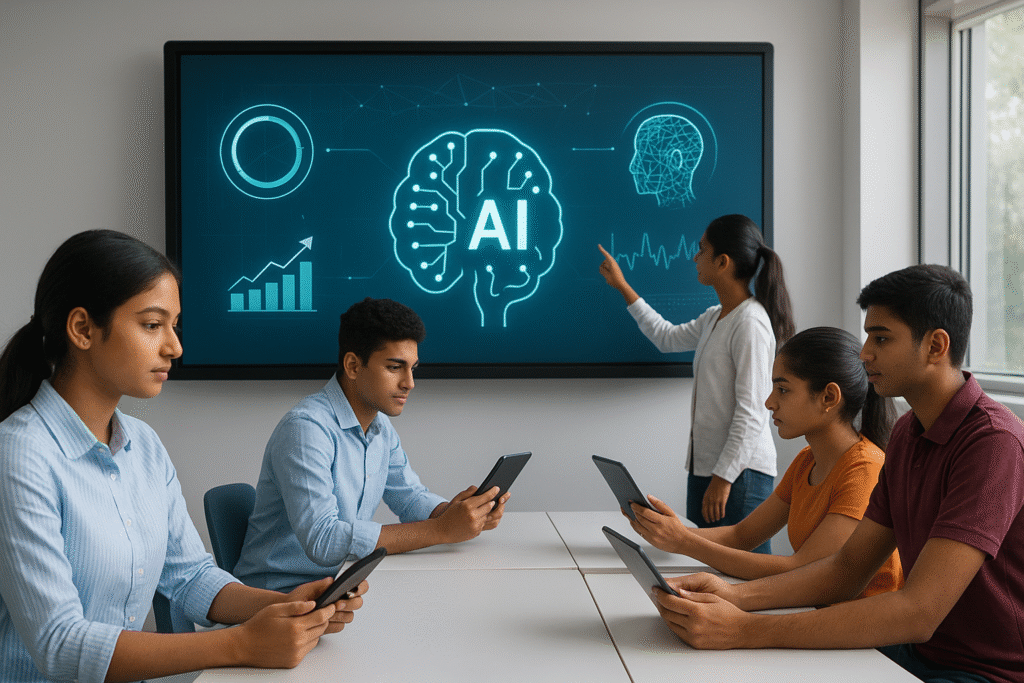
- For students: New digital classrooms, AI-based learning tools, and skill development programs.
- For professionals: More remote work opportunities, digital payments, and global freelancing options.
- For entrepreneurs: Easier access to government schemes, online business registrations, and digital marketing tools.
Impact on Students
1. Digital Classrooms and AI Learning
Schools and colleges are adopting AI-powered learning apps and smart classrooms. Rural students now have access to the same study materials as urban students.
2. Affordable Online Education
Government-backed platforms like DIKSHA and private EdTech companies are providing affordable and free digital courses.
3. Skill Development Programs
Digital India 2.0 emphasizes job-ready skills like:
- Coding
- Digital marketing
- Cybersecurity
- Data analysis
This prepares students for global digital jobs.
Impact on Professionals
1. Remote Work and Freelancing
With better internet and digital tools, professionals can work from anywhere. This opens doors for global freelancing opportunities.
2. Digital Banking & Payments
The widespread use of UPI, DigiLocker, and Aadhaar-linked services makes daily work faster and more secure.
3. Digital Jobs in Demand
Industries are actively hiring in areas like:
- Artificial Intelligence
- Cybersecurity
- Cloud computing
- Blockchain development
4. Startups and Entrepreneurship
India now has over 100,000 registered startups, many of which are digital-first. Digital India 2.0 encourages innovation by reducing paperwork and offering digital platforms for small businesses.
Opportunities Ahead
- Equal education access for rural and urban students.
- Freelance boom: Professionals can serve global clients.
- Digital-first economy: More cashless transactions and online businesses.
- Startup support: Easier funding access via digital platforms.
Challenges India Still Faces
- Digital divide – Rural areas still face inconsistent internet access.
- Skill gap – Many professionals lack advanced digital skills.
- Cybersecurity threats – As services move online, risks of fraud increase.
- Affordability issues – Not all students can afford devices or quality internet.
Future Outlook
If implemented well, Digital India 2.0 can create millions of new jobs and make India a global digital powerhouse. The focus is now shifting from simply being “connected” to being “digitally skilled.” For students and professionals, this is the right time to invest in learning digital skills to stay competitive in the job market.
Conclusion
Digital India Mission 2.0 is more than just an upgrade it is a step toward an empowered, tech-driven India. Students gain access to quality education, professionals enjoy global job opportunities, and entrepreneurs find digital tools to grow their businesses. The future belongs to those who embrace technology, and India is preparing its people for that future.
FAQs
1. What is the difference between Digital India and Digital India 2.0?
The first focused on access and connectivity, while 2.0 focuses on skills, jobs, and innovation.
2. How does Digital India 2.0 help students?
It provides digital classrooms, skill-based training, and affordable online courses.
3. Which jobs will grow under Digital India 2.0?
AI, cybersecurity, cloud computing, and data analysis jobs will see high demand.
4. Does Digital India 2.0 help small businesses?
Yes, it simplifies business registration, taxation, and digital marketing access.
5. What challenges still exist?
The digital divide, cybersecurity risks, and affordability of devices remain major challenges.
📢 Call to Action (CTA)
India’s digital future is here. If you are a student or professional, don’t wait for opportunities to come learn new digital skills today and take full advantage of Digital India 2.0. For more updates on India’s tech and business transformation, subscribe to our newsletter and join the digital revolution. 🚀